Friday, August 15, 2008

China Part 4: Gorgeous Gorges

One thing that becomes clear while in China is that the Chinese government loves exhibiting its power and determination through projects of enormous scale. The Beijing Olympics is a great example: think of the Bird's Nest, or the spectacular opening ceremony. What seems impossible (or at least very improbable) becomes possible at the hands of 1.3 billion people and a determined national government. Sometimes it seems like even nature can't stand in China's way.

Perhaps no other project makes this more apparent than the Three Gorges Dam. When I was in Brazil visiting the Itaipu Dam (currently the largest hydroelectric plant in operation), I was given a handout that compared Itaipu's size to other hydroelectric plants. The comparison was almost comical--the sheer size and output of Itaipu unquestionably justified its status as one of the greatest feats of modern engineering. But there was one other hydroelectric plant mentioned in the handout that outdid Itaipu on almost every statistic: Three Gorges.

The Three Gorges Dam on China's Yangtze River (http://en.wikipedia.org/wiki/Three_Gorges_Dam) will be the largest hydroelectric plant in the world upon its completion in 2011. At almost 1.5 miles long, the Three Gorges Dam will have 34 generators, and is expected to produce 3% of China's electrical consumption.

Being in the area and having already seen the colossal Itaipu Dam, I knew I had to see the Three Gorges Dam in person. Fortunately, Fang had already made the necessary contacts and reservations by the time we began traveling together, so that there were two spots reserved for us on a boat that traveled down the Yangtze River, all the way to the Three Gorges Dam. The trip took three nights and two days, from Chongqing to Yichang. I've marked the route between the two cities on this map in red (we traveled the section from Yichang to Wuhan by bus):


Our boat departed from Chongqing, a city of about 4 million that became industrialized during World War II. Today the city seems incredibly modern, its citizens sometimes comparing it to Shanghai. At night, Chongqing is literally glowing with neon--highways are lined with neon lights that transform from one color to another, while skyscrapers exhibit profiles of more famous buildings from around the world (such as the Eiffel Tower) on their facades.


Fang and me in front of the Great Hall of the People:


Of course, there was always time for me to enjoy my favorite drink, milk tea:


And time to enjoy the sometimes bizarre designer clothing advertisements, like this one for "Prich: Pride and Rich":


Fang had arranged for the aunt and uncle of a friend to show us around Chongqing. It turns out that the uncle is also a police officer in the city. They took it upon themselves to show us their city, introduce us to the best restaurants, and supply us with food for our trip. They even insisted on buying our boat tickets. They gave new meaning to what it means to be hospitable.

Our host took us to Chongqing's "old city," where he bargained for seafood snacks that we could take on our journey:


In the old city, this man was selling sculptures made of some sort of molasses:


Much of the old city consists of tiny shops and restaurants lining busy pedestrian walkways:


An undeniable highlight of Chongqing is hotpot. Chongqing shares the reputation for having spicy, tasty food that its provincial neighbor, Sichuan, bears. Hotpot consists of a large bowl of boiling water and spices, into which you dip vegetables and pieces of raw meat until they are cooked. Unlike the burning sensation one feels while eating, say, a jalapeño, I found that the peppers used in Sichuan hotpot made my mouth entirely numb. Weird sensation, delicious food.


Fang eyeing hotpot:


After boarding our boat, Fang and I decided to spend most of our time on the patio, where we could enjoy views of the passing towns, construction projects, and, of course, the gorges. Occasionally we passed markers that read "175m," denoting the 175 meter point at which the water will rise upon the dam's completion in 2011:


While Fang and I took the more leisurely boat, there are also futuristic-looking hydrofoils that cut the trip down from three days to a mere eleven hours:


Our boat actually got to the Three Gorges toward the end of the trip. Each gorge has a slightly different look and feel due to the height of surrounding cliffs and the length of the gorge itself. Fang and me among the gorges:


One of the gorges:


Other travelers enjoying the dramatic views:


We had a chance to do a short side-trip to an area called "Little Three Gorges." Part of the trip took place in a little motor boat, with this animated guy as our guide:


In the United States, the Three Gorges Dam finds its way into the news not only due to its sheer size, but also due to the controversy surrounding it. 1.4 million residents have been relocated as the river's waters rise to the 175 meter mark, contributing to the vast migration of Chinese citizens from the countryside to the cities. This process of migration has been dramatized, and is now performed on stage at one of the towns on the river's edge. This photo is of one scene in the drama, in which an elderly man, with the assistance of government officials, leaves the home he has known for many years:


On the final day of our boat trip, we arrived at the Three Gorges Dam. This model represents the dam:


Not understanding the tour guide's explanation at the model, I decided to start flipping through some books in the bookstore. I found this characteristic enthusiasm for the dam in the foreword of one of the books:


Of course, with so much construction going on this can be a very dangerous area, so there is no crowdingin allowed:


A view of the Three Gorges Dam with a monument dedicated to it:


Some views of the dam:


Coming up next: the solo journey begins again, speaking Chinese becomes a necessity, and I move in with a family.

Monday, August 11, 2008

China Part 3: Daggers, May Day, and Women on Logs

After spending time wandering around the "Dragon's Backbone" rice terraces around Longsheng and Ping An, Fang and I traveled by bus through several ethnic minority villages, including Zhaoxing, Basha, and Xijiang. We ended this leg of our trip in the city of Guiyang. I've charted our route from Longsheng to Guiyang on this map:


At the bus station, on the way to the small village of Zhaoxing, I discovered hundreds of ducklings waiting to be transported, and a girl entertaining herself with them:


Resting among hills, Zhaoxing is a collection of wooden buildings that serve as homes and small shops and restaurants. Like Ping An, Zhaoxing is home to one of China's many ethnic minorities.

Zhaoxing during the day:


Locals doing their laundry in the stream that runs through the village:


Also like Ping An, the hills surrounding Zhaoxing have been used for generations for rice cultivation. While Ping An's terraces seemed to be similar in color, Zhaoxing's ranged from deep red to orange, brown, and green.


Zhaoxing takes on a different feel at night, when orange and red lights illuminate the village:


Following Zhaoxing, Fang and I traveled to the tiny village of Basha. While Basha is known as being home to yet another of China's ethnic minorities, it stands apart from other villages. This fact is immediately apparent in the way locals dress: males, for example, carry daggers strapped to their backs, and keep their hair in top knots. Basha's clothing is usually characterized by a deep, shiny indigo color, shiny because it is covered in eggs whites that are believed to serve as a mosquito repellent. Many of the traditions in Basha have persisted for centuries, strangely unaffected by globalization or tourism.

Local girls having popsicles:


A boy and his dad:


Working on a gun:


For the May Day festivities, Fang and I traveled to Xijiang, another ethnic minority village. The place was completely alive with activities, from dancing and singing to constructing new buildings and slaughtering pigs.

Construction workers on May Day:


Female dancers preparing for their performance:


Dresses for sale in the town center:


The local specialty: stewed fish. The man in this picture found out that I was interested in trying the fish, which was only served in enormous family portions. As a result, he invited Fang and me to share lunch with him and his family. The fish definitely deserves its reputation--it was great.


A common view in Xijiang: hanging corn


May Day performances:


Sometimes I became a bigger spectacle than the performance itself:


After hopping among ethnic minority villages, it was time for Fang and me to begin making our way to our boat that would take us on a cruise of the Three Gorges. En route to our boat, we stopped by the city of Guiyang, where we stayed with a wonderful host named Shirley, and her boyfriend, Charles. Shirley and Charles immediately invited us to join them and their family at a lakeside resort, where we flew remote control planes and helicopters, went swimming and kayaking, and did some skeet shooting. People had told me before I arrived in China, but now I know firsthand just how incredible Chinese hospitality is.

Charles with his RC helicopter:


Fang, Shirley, and helicopter:


Our little group posing with the RC plane:


The whole family and friends:


My first time shooting:


Going to dinner in Guiyang's night market was way more entertaining than we were expecting, thanks to the government-mandated English menus:


Fortunately, we found a great place that served paper thin tortilla-like objects that you stuffed and tried to eat in one bite:


One morning, while walking to breakfast, Fang, Shirley, and I ran into a large crowd of spectators on a bridge. We soon found the object of interest: a large woman performing aerobic exercises on a log floating on the river:


She noticed me and my camera, and began posing (not that she wasn't photogenic before):


Guiyang's Super Wal-Mart, entirely underground:


A large group of locals selling and trading carrier pigeons:


Next time: floating down the Yangtze, to the world's largest dam.

Monday, July 28, 2008

China Part 2: Wandering the Dragon's Backbone

Following Yangshuo and Xingping, Fang and I boarded a bus and traveled to Longsheng, the gateway to the "Dragon's Backbone" rice terraces. From Longsheng, we made the short, winding trip to the tiny hillside village of Ping An, which is where we stayed while exploring the terraces. I've marked Longsheng on this map in red:


The village of Ping An is extremely old and has some beautiful wooden homes and buildings that rest on the side of some steep hills:


A grave immediately outside the town:


Like the karst hills that line the Li River, the rice terraces of the area around Longsheng have become an image immediately associated with China's landscapes. The terraces, which have been maintained for centuries, seem to be never-ending, becoming an inseparable part of the hillside.


We occasionally saw both women and men working hard in the terraces, up to their knees in mud. To maintain the terraces and provide water to the rice, locals also employ some ingeniously simple techniques, including bamboo water pipes, and miniature waterfalls carved into the terraces.

A man working next to a series of small waterfalls:


Besides being a great place to view the terraces, Ping An is also home to one of China's many ethnic minorities, which has its own unique traditions and characteristics. This is perhaps most clearly witnessed in the local clothes and jewelry, and for Chinese speakers, in the local dialect.

This woman was selling traditional shoes, and makes some darn good sweet potatoes too:


Unfortunately, many traditional aspects of the local culture are now overtly advertised as a result of the tourist boom. One example of this is the "long-hair women" who traditionally grow their hair five-feet long or more. The women now chase tourists, offering to take their hair out of its bun in exchange for a fee. In the process of running from the "long-hairs," Fang and I got really good at maneuvering through the terraces.


And next, off to Zhaoxing...

Monday, July 14, 2008

China, part 1: tandem bikes, flying fish, and neon

If there is one destination on my trip that I could call the focal point, it would be China. My journey wouldn't have been complete without it.

Ever since I spent a semester in Mongolia in 2004, I've been drawn to China. Mongolians are terrified of their neighbor, convinced that the Chinese are set on devouring Mongolia's land and natural resources while sending them, in exchange, products that always seem to break on them. "The Chinese are trying to poison us," one nomadic herder told me. While I wasn't convinced, in Mongolia it was impossible to be unaware of China's immense influence on its neighbors, and the world. News stories related to China investing in Latin America, China gobbling up the world's steel, and China developing cities the size of London in less than a decade appeared almost daily on BBC News. But in spite of all the news coverage, I think China is a very mysterious country, with very few people outside its borders who really understand it. While living in Mongolia, I became very conscious of and curious about the giant that rested on the other side of the border. But rather than being afraid of China's rising power, I was fascinated by it.

When I began planning this trip soon after my college graduation, I initially considered focusing most--if not all--of my six months on China. I considered enrolling in a language school, living with a host family, and even attempting to live with Tibetan monks and herders as I did in Mongolia. I wanted some depth to my understanding of China. After all, as someone whose professional and personal interests lie at the intersection of human rights, economic development, and international business, I was sure this would not be my last interaction with the country.

And so, when it was time for me to leave Hanoi and board a bus for Guilin, I felt a strange excitement that I was not about to simply see a new country, but that I was about to begin a relationship with a country that will likely be present in many facets of my life.

I spent about six weeks in China, far less than the six months I had daydreamed about, but more than the one month I had ended up budgeting for the trip. It's probably a good idea to provide an overview of where I went, since place names can become very confusing. This map shows my route from Hanoi to Beijing (all travel by land) in red:


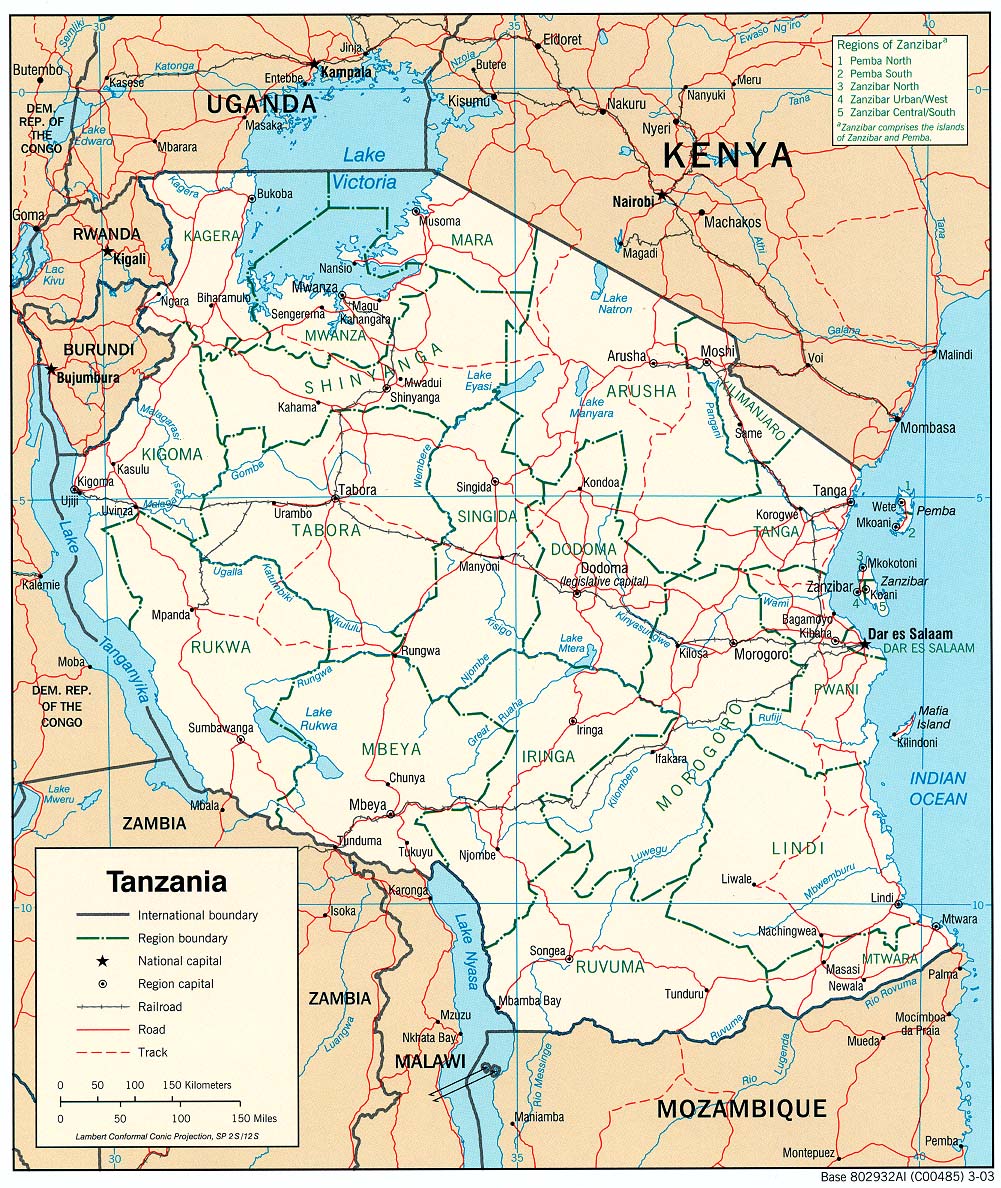
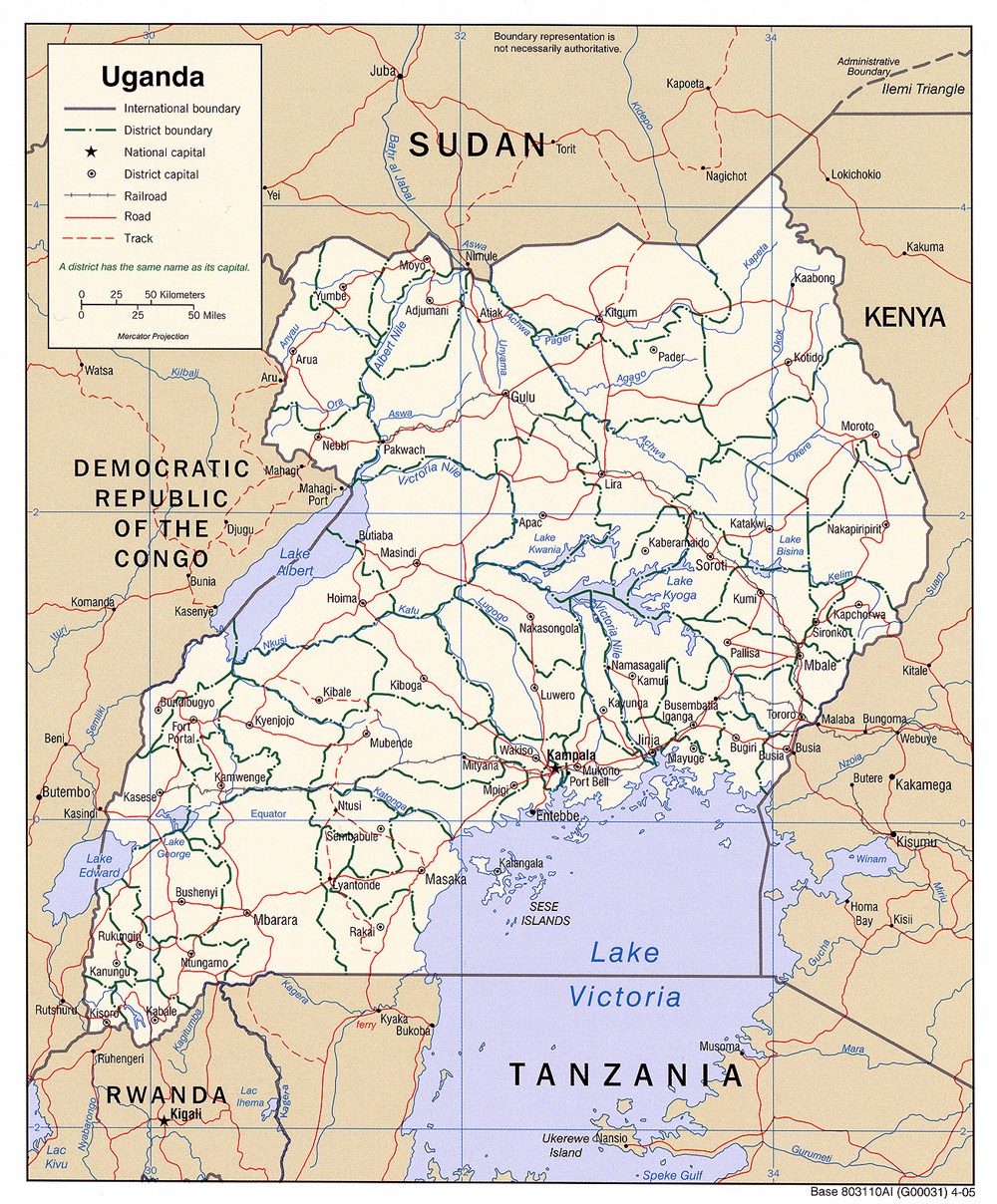
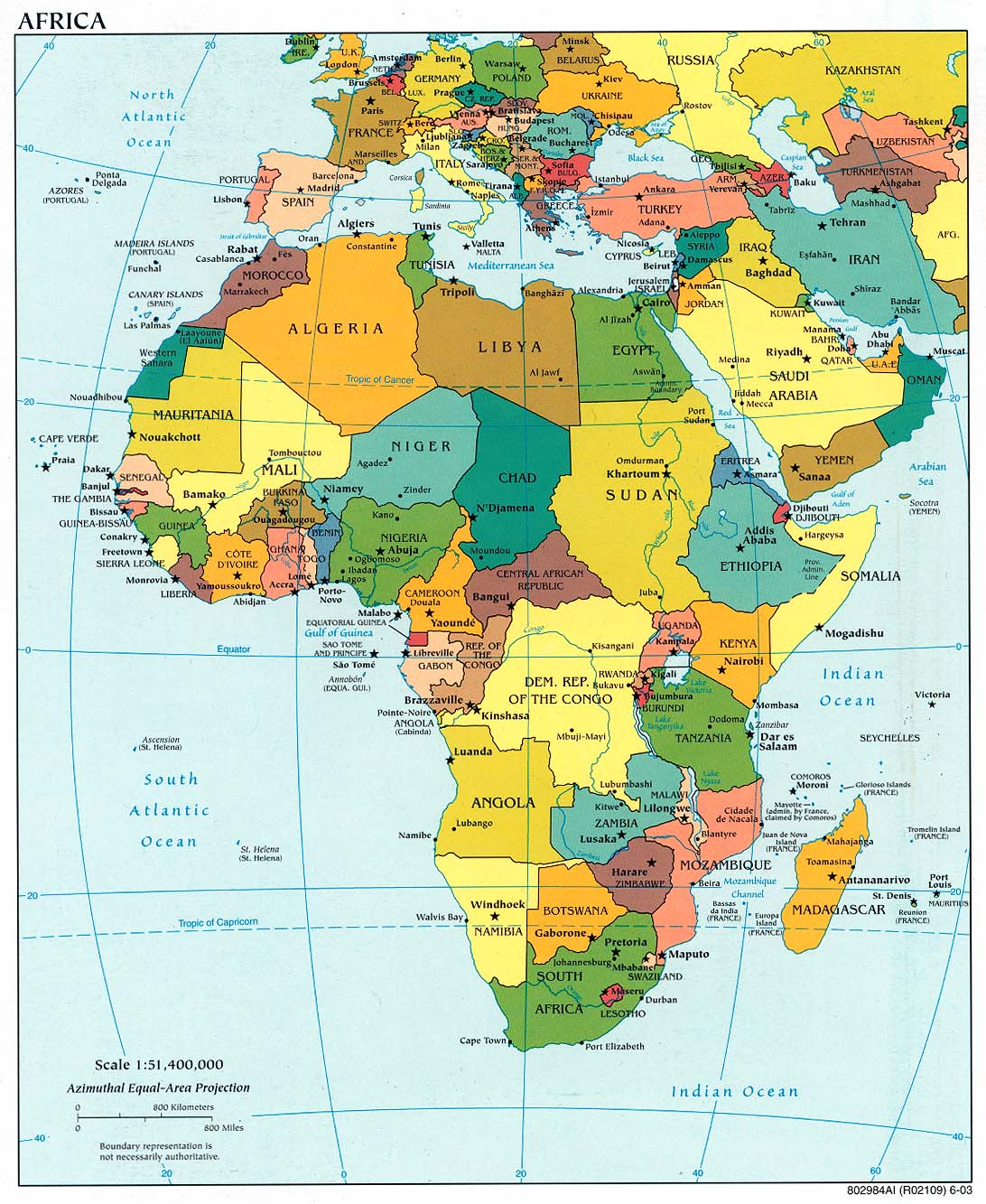
To give a very dizzying overview of what the map shows: I took a bus from Hanoi, Vietnam, through Nanning, China, and into Guilin. In Guilin, I met up with a friend from college, Fang, who was also traveling. From Guilin, we visited the beautiful green karst hills in Yangshuo and Xingping. From there, we continued northwest to the vast rice terraces of Longsheng and Ping An. After that, we stopped by a few ethnic minority villages, including Zhaoxing, Basha, and Xijiang. We spent a couple days in the city of Guiyang before traveling to Chongqing. In Chongqing, we boarded a boat and traveled east for three days, through the Three Gorges, to Yichang. From Yichang we took a bus to Wuhan. From Wuhan, Fang went to Beijing, and I traveled to Jiujiang, where I lived with a family. Actually, I lived with Dina's family--after Dina and I traveled around Uganda and Tanzania together, she put me in touch with them. After a week in Jiujiang, I lived with other members of Dina's family in a smaller "village" named Xiushui. From Xiushui I traveled to Nanchang, then took a train to Shanghai. From Shanghai I traveled by train to Xi'an, and from Xi'an to Beijing.

I'm planning to split these updates into segments, rather than attempting to include photos and thoughts from my entire time in China in one enormous post. This first post will cover my time in Guilin, Yangshuo, and Xingping:


So, after spending several hours on my bus, I arrived in the surprisingly modern city of Guilin. At least, as the first Chinese city I had seen (almost 1.5 million people live there), it seemed surprisingly modern. Actually, I would soon learn that this city of neon billboards and skyscrapers wasn't especially modern compared to other Chinese cities. But one thing it did have was beautiful scenery, including rolling green hills and a slow river. To get to the really beautiful scenery, though, Fang and I traveled to Yangshuo and the nearby town of Xingping.

Xingping is a small town surrounded by green hills that peek down into the town's narrow, winding streets. The view from one of the streets:


In Xingping, Fang and I boarded a small wooden raft on the beautiful, serene Li River. This area is characterized by the lush, rolling karst hills that are so often associated with China's landscapes. (By the way, don't worry...I cut off the facial hair).


It was good to know that I wasn't the only one who stood out as a tourist:


The view of Xingping from a nearby mountain:


Yangshuo, located a short drive from Xingping, serves as a hub for those traveling around the area. As a result, it is filled with small tourist shops, international restaurants (and KFC!), and lots of neon signs. This woman is working in a silk shop:


Yangshuo's neon:


On our second day in Yangshuo, Fang and I decided to push the limits. So we put on our ponchos and rented a tandem bike (Fang is more excited than I was):


Along the way, we saw a guy who was "herding" ducks. Seriously.


Beautiful scenes and lots of mud made frequent stops a necessity:


After the bike ride, we had worked up quite an appetite. So we went out for the local specialty, snails:


They're actually really good--a little spicy, a little juicy, really tasty.

This man was advertising grass sculptures he makes:


One thing that became very clear over the course of my travels is the influence "Lonely Planet" travel guides have on many local economies. A negative review in the guide can destroy a shop or restaurant, while a good review can spell prosperity (and hour-long lines) for one. The owner of this restaurant gets the point:


I was walking down the street, enjoying the shops and activity, when I saw a guy reach into a fish tank, pull a fish out, and slam it against the ground. After the thing flew four feet in the air, the guy picked it up, walked into a nearby restaurant, and handed it to a cook who started cooking it. I waited for three more people to order the fish plate before I finally (somewhat unsuccessfully) got a picture of it:


Check back soon for part 2, the "Dragon's Backbone" rice terraces.

Wednesday, July 9, 2008

170 days later...

After 170 days, 19 countries, 9,000 pictures, 1 hospital visit, and 0 robberies, the journey is officially over. And it was an incredible one, filled with wonderful friends (both new and old), spectacular places, valuable lessons, and so much more. I don’t know if I’ll ever arrive at a point at which I can adequately put it all into words. But I think that’s the way it should be.

Back home in Orlando, Florida, I’ve been enjoying motorcycle rides, time with family, and a nice, big, soft bed. With my laptop back in my possession, I’ve been busily organizing photographs in preparation of posting them here. I have a lot of catching up to do. I’m planning to post the first of several updates on China very soon, and after that I’ll begin posting photos from my travels with my dad and brother in Europe.

I am very grateful to you all for visiting my blog, and especially grateful to those of you who sent me comments and emails—it’s a great feeling to know so many people took an interest in my wanderings (and my well-being!). I hope you learned something, and, ideally, that you found in my posts a little motivation to do some wandering of your own.

Well, as I said, I'm going to be sorting my photos and posting a first update on China soon, with others to follow. I hope you'll check back soon!

Thursday, June 19, 2008

Catching up on Laos and Vietnam

Greetings from Luxembourg! I hope you've enjoyed the photos and brief update on Cambodia. This post is going to be a bit different; I'm going to post photos from Laos and Vietnam at the beginning, but, because most of the details providing the background to the photos were in my April 21st post "Hanoi Syndrome," I'm re-including that post immediately after the photos. I hope you enjoy reading (or re-reading), and that you enjoy the photos from Laos and Vietnam.


From Laos:

A view of my island among the "4000 Islands" in southern Laos:


The Mekong at sunset, just after I went for a swim:


From Vietnam:

“Uncle Ho” on a billboard in downtown Hanoi:


Hanoi traffic-—I’ve seen crazy driving in many countries, but Hanoi is simply shocking. And the secret to crossing a street on foot? “Make eye contact with oncoming traffic and keep walking. Whatever you do, don’t run.” It actually works-—oncoming traffic won’t stop for you, but at least they go around you. Here’s a shot of traffic at night:


Hanoi at night:


I took a brief trip to Ha Long Bay, a UNESCO World Heritage Site where tons of beautiful green karst hills emerge from the water. The ride out:


An overhead view of a woman selling fruit from her boat to ours:


Ha Long Bay:


Taking a boat to a lagoon:


In Hanoi I was eager to hear the opinions of locals toward Americans and the American War (our Vietnam War). As a result, I visited the Hoa Lo Prison Museum (also called the “Hanoi Hilton”), a prison used to keep captured American soldiers during the war. The place was very interesting—I’ll let a few photos of the exhibits speak for the museum itself:


Photographs of buildings in Hanoi (including schools and hospitals) destroyed by American bombs:


A document carried by American pilots in case of an emergency. The document, copied in various languages, reads: “I am a citizen of the United States of America. I do not speak your language. Misfortune forces me to seek your assistance in obtaining food, shelter, and protection. Please take me to someone who will provide for my safety and see that I am returned to my people. My government will reward you.”


John McCain spent several years in the Hanoi Hilton. His belongings on display:


The plaque in front of McCain’s display:


The regulations of the Hanoi Hilton:


Photographs of famous individuals who have visited the museum, including Bill Clinton, George Bush, and John McCain:


Finally, a shot of the place where you can find Hanoi’s biggest crowds—-outside the ice cream shop:


For more details on my experiences in Laos and Vietnam, please read my "Hanoi Syndrome" post below. Otherwise, please check back soon for my posts on China. I’m wishing you all the best!


"Hanoi Syndrome" (Re-post from April 21st):

As you can tell from the title of this post, my plans changed a little: instead of heading to China through Laos, I decided to head to Vietnam from Laos, and to China from Vietnam.

Although I cut my time in Laos short, it was due to my being drawn to Vietnam rather than being bored with Laos. Laos is a very special country, and my experience there was what many travelers dream of having at some point on their journey: a chance to get below the surface, to become close with locals, to experience the "real" side of things.

Without a doubt, my time in Laos was made especially unique by the fact that my visit coincided with the Lunar New Year. In Laos (as well as Thailand and Cambodia), New Year celebrations revolve around beer and water, and last for three days (four this year, since the first day landed on a Sunday). In Laos, groups gather along the road, dancing and drinking beer, and tossing buckets of water at people passing by. It’s sweltering in the region, so I was happy to be soaked. Combine huge celebrations with a very warm and welcoming country, and I was in for a good time. On my first night in the southern town of Savanakhet, I went to a big New Year party at a club called “Dinosao” with a Lao friend I made on the bus. The party was complete with loud music, dancing, and the best beer in the region: BeerLao.

The next day the streets were crowded with people celebrating, everyone soaked with water. I rented a bicycle to be able to see some of the city farther from my hotel, but I should have just walked--before long the locals had pulled me off my bike, handed me a glass of beer, and gave me a bucket. I spent the rest of the day sharing beers and throwing water at anyone driving, riding, walking, or running down the street. Anyone except the police, who seem to be feared throughout the country (Laos is strictly controlled by the authorities; the people are forbidden to voice political dissent, and have a curfew (which seems to be loosely enforced during the New Year)). The group I joined for the water-throwing invited me to a snack of chickens' feet, then we were off in the pickup, hauling huge tubs of water in the back that we tossed at the crowds we passed. Afterward, as the sun went down, we went to a great restaurant and had huge bowls of noodle soup.

The next day, as the celebrations wound down and the remaining garbage lined the abandoned streets, I arrived in Vientiane, the capital of Laos. The city seemed exhausted following the festivities--some restaurants and shops were open, but for the most part the town seemed a little bit hungover. It was when I began contemplating returning to a coffee shop to sit and read that I realized I should move on, and a thought that's been nagging at me since I arrived in Southeast Asia returned: I should go to Vietnam.

I decided it was my obligation to go to Vietnam for a couple reasons: First, I worked with young Vietnamese immigrants and their families four years while in college. Second, as a US citizen and a student of history, I needed to see and experience firsthand the country that so significantly affected the US. So instead of returning to that coffee shop in Vientiane, I went to the Vietnamese Embassy. I got a visa in fifteen minutes, and had booked a flight within the hour. I left that evening for Hanoi.

Hanoi is a rough, tough, resilient place, but I'm very glad I decided to visit. It's difficult to travel alone here, especially as a Westerner. Within my first 24 hours in Hanoi, I was left on the side of a highway when I refused to pay a taxi driver who tried to rip me off, my paid hotel room was given away to someone else, I got in an argument with a receptionist at another hotel who insisted that I give him my passport overnight (I soon found out this is national policy, but they also accept a copy), and, to top it off, my ATM card was confiscated by an ATM machine. The locals were rarely sympathetic--it took me two hours to figure out how to take buses from the highway to a hotel since few people cared I was lost, and even fewer spoke English. But by the end of those first 24 hours, I was still fascinated by Hanoi. I felt like I was experiencing Stockholm Syndrome--even though I was beaten and bruised, I had no urge to leave. I wanted to experience more.

There really is something fascinating about this place; going to museums and seeing photographs of sections of the city levelled by B-52s, passing by huge billboards of a smiling Ho Chi Minh holding a baby (or, much more jolting, seeing an embalmed Ho Chi Minh resting in his mausoleum). I never shy away when people ask me where I'm from. They usually respond with an ambiguous "Oh, America! Very good, very good! Nice country!" And I wonder what complex thoughts and emotions underly those kind words. Fortunately, after spending many hours wandering in and out of restaurants, cafes, shops, and various sites throughout the city, I've met a few Vietnamese people who not only have a firm grasp of English, but who are also willing to answer the many questions I have. They emphasize that while the Vietnamese have mixed feelings toward Americans and the United States, there are few hard feelings still held concerning the "American War." They emphasize that the country has moved on. And the city itself attests to that; Hanoi is a city that is changing, and fast. Nonetheless, I can't help but notice the intense stares I get from the city's older citizens, which I don't notice from anyone else.

If there's one thing I could add to my trip thus far, it would be a visit to southern Vietnam. "The south is so much different from the north," a man from Ho Chi Minh City told me, "not only are we much better about serving visitors, but we also have a much stronger economy." Then, with a smile he said, "You know, we are also much more influenced by America than the north is." I was surprised to hear him say this, especially since I noticed a hint of pride in his voice. I remembered what a man who lives in Vietnam told me during my stay in Cambodia: "If the people in southern Vietnam have hard feelings toward America, it's not because the US was fighting there; it's because the US abandoned them."

For me, being in Vietnam prompts mixed, complex emotions that are very difficult to sort out and reconcile. At points I'm extremely frustrated, feeling like no one in the city cares about my well being. Moments later I have a knot in my throat, having seen images of screaming children running from a bombed, burning building that once stood a few kilometers from where I'm standing. Then later in the day, after following a huge crowd of people to an ice cream shop, I can't wipe the smile off my face. Kids on bicycles say "hello" to me, people are smiling, I overhear a young guy next to me say "Hi" to a girl from Taiwan. "She's so pretty!" he says to me after she walks away.

Today was a bittersweet day, as it was my last full day in Vietnam. Tomorrow morning I'll begin my journey to Guilin, China, by bus.

Thursday, June 12, 2008

Catching up: Cambodia

Hello from Sorrento, Italy, where I’ve been enjoying beautiful views of the sea with my dad and brother. We met up in London, rented a car in Paris, and will be driving around Italy for the next few weeks. But an update on our travels together must wait. I have some catching up to do.

After a 1.5 month hiatus, it’s time for me to follow up on my last post, made from Vietnam just as I was about to depart for China. That post (from April 21st) has a general update on my time in Cambodia, Laos, and Vietnam, and may be good to read again before looking at the pictures I'm adding in this post. Since a lot has happened since my last post, I'll make several posts following this one, each a (probably poor) attempt to fill you all in on what has been a fascinating experience. I apologize in advance if the updates are superficial or watered down—-it’s hard to summarize such a long, eventful period, and I welcome any additional questions if there’s something you’d like me to describe further.

This post will focus on Cambodia. As my previous post described, I arrived in Siem Reap, Cambodia, via train and “taxi” from Bangkok. I spent three days in Siem Reap, which is blessed with the temples of Angkor just a few miles away. Each day was packed—-I made friends with a motorcycle taxi driver who helped me make the most of each day by taking me to many, many sites.

A few photos from the Angkor temples:

Angkor Wat at sunrise, my introduction to the temples at Angkor:


Inside Angkor Wat:


A monkey lounging around Angkor Wat:


The ancient soldiers guarding the entrance to Angkor Thom:


A view of the pillars and ceiling inside the temples:


I’ve included this next photo for a couple reasons. First, this temple (Bayon, in Angkor Thom) is famous for the hundreds of enormous faces carved into it, making wandering around it a surreal--but definitely not lonely--experience. Second, you can see pieces of the temple laid out in front of it, on either side of the pathway. This is a common sight around many of the temples. Prior to the rise of the Khmer Rouge, many Cambodian and French archaeologists were busy preserving the temples, which frequently required them to partially dismantle them. The rise of the Khmer Rouge forced the foreign archaeologists to flee Cambodia, and resulted in the massacre of almost all Cambodian specialists on the temples. The effects of the reign of the Khmer Rouge are still very apparent: there are many amputees who are victims of the landmines that still cover the country today. In addition, according to statistics listed at the temples, 40% of Cambodia’s current population is under the age of 14.


Stunningly well-preserved statues in Angkor Thom:


Very steep climbs and their accompanying warning signs are a common sight:


Arriving at a temple:


The temples’ struggle against nature:


Riding in the area outside Siem Reap-—the view from the back of my driver, Vebol’s, motorcycle:


Angkor Wat at sunrise was my first view of the temples, and sunset at Angkor Wat was my last. Here, some young locals admire the view:


On my last day I had a chance to visit a floating village outside Siem Reap, a community located in the middle of a large, shallow lake. Most of the residents here are immigrants, the majority from Vietnam. A home in the floating village:


A water taxi cruising near the floating village:


Composed mainly of immigrants and refugees, it is not surprising that the floating village suffers from poverty. Here, some cheerful children float around the lake begging for money. The girl second from the right floats around in a small blue bucket, pushing herself around with a paddle:


The lake’s water, although muddy, blends in with the sky:


As soon as I have some free time and a reliable internet connection I'll post some pictures from Laos and Vietnam, so please check back soon!